Hacking wellbeing for engineers #1





We’re so excited for our whitepaper on conflict and communication to finally meet the rest of the world. We started on the journey because we wanted to add greater value to our workshops, drawing on the experiences of engineering managers about the challenges they…
Introduction There are times when coaching or facilitating workshops I cross paths with people who are either extremely reserved, or very self-contained and very confident. Within a team setting these people can feel isolated and brush off their lack of connection as the fault…
Over the last three years we’ve developed and refined our group coaching programme – Momentum – it’s a monthly programme. We’ve also piloted and refined Momentum Kickstarter – six sessions that run over two months. We only run this 3 times a year –…
If you’re an engineer – being able to identify a process for delivering is helpful. And for diversity, equity, equality, and inclusion it creates a certainty and is quite satisfying and entirely comfortable.
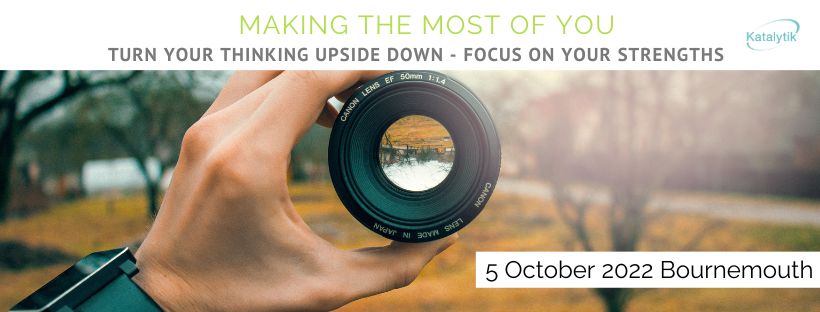
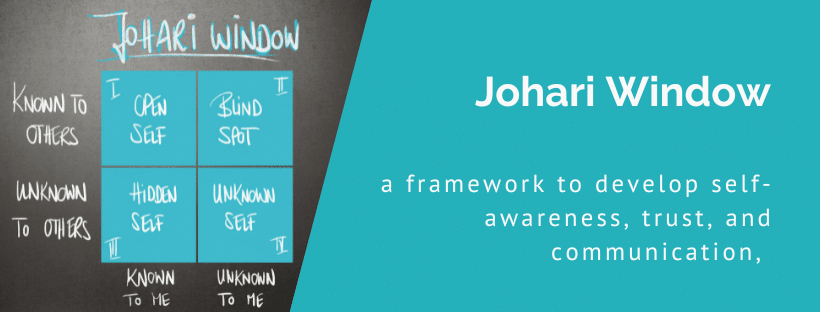
You will take away from this workshop a new vocabulary to talk, with confidence, about yourself. Your investment in participating will reward you week after week as you start your journey to become your ‘best self’. Our Making the Most (of you) workshop offers…
We’re delighted to find out that our Inclusion approach – our approach to designing inclusion into engineering education – continually evolving, innovating, and infusing inclusion across the teaching landscape has been recognized by the IET. We’re a finalist in the Innovation Awards. After all…
Our research reports and projects always have a ‘so what?’ factor about them. We have taken this talent and in partnership with Major Minor Media have produced a series of video stories to encapsulate the learning from projects and events. Katalytik was commissioned by…