Blindspots in Restorative

blindspots

In this month's instalment of our Dark Side of Strengths series, we're exploring how Restorative can move from being a superpower to becoming exhausting. And never forget, of course, that your Restorative will show up differently to others’ based on your other leading CliftonStrengths. And if you’re curious how your Restorative might show up and frustrate others, read our white paper on conflict and communication.

Introduction to Restorative

The power of leveraging individual CliftonStrengths to enhance personal and professional success cannot be underestimated. However each CliftonStrength comes with their own set of blindspots. Triggered by discussions in recent workshops, I’m gong to focus on BLINDSPOTS, and to get started thought I’d start with Restorative, because a recent cohort of 126 participants 48% of participants had it in their Top 5. Imagine, in one session there was a whole room full of problem finders, fixers, and perfectionists! In this blog, we’ll explore the dynamics of CliftonStrengths and shed light on potential blindspots, specifically honing in on the Restorative strength. We’ll discuss examples of how Restorative blindspots may manifest and offer insights into partnering with other CliftonStrengths to create a HARMONIOUS and PRODUCTIVE approach. Afterall, Restorative is an executing theme. And bad team vibes would not lie well with it. Creating another problem.

It’s the strength that says:

“Let’s figure out what’s gone wrong – or not right – and fix it.”

Remember. Not every problem requires your intervention.

Understanding Restorative:

Restorative is a strength characterized by the ability to solve problems and find solutions, often thriving in crisis situations. Individuals with high Restorative talents possess a natural inclination to identify and fix problems, bringing a sense of order and resolution to chaos. While this strength is undoubtedly valuable, it can lead to blindspots when overemphasized or misapplied.

The gift of Restorative

  • While many people can identify that something is wrong, Restorative is motivated to do something about it. The gift of Restorative is transformation.

At its best, Restorative brings:

    • Problem-solving: quickly identifying causes rather than symptoms.
    • Resilience: remaining calm when others feel overwhelmed.
    • Improvement: finding ways to make things work better.
    • Practicality: focusing on solutions, not endless discussion.
    • Recovery: helping people, projects and teams get back on track.

I often see Restorative shine in engineering environments. People with Restorative are drawn to places that demand problem solving when a system fails, a process breaks, or maybe a customer escalates an issue.

Most people see disruption, but those with high Restorative see something worth investigating, understanding, and improving. It is the strength that sparks the question in your head:

“How do we make this better?“

Innately, you have the capability to restore confidence, rebuild trust, and solve difficult problems. The world, and every team, needs you.

But every strength has a shadow.

The dark side of Restorative

Responsibility

The challenge with your Restorative talent is that it triggers you  almost permanently to focus on what’s wrong. When your attention instinctively moves towards problems, it becomes easy to overlook what is already working. You could become the person who always sees the negative.

You can also easily become the person everyone brings their issues to. And soon you’re carrying a weight of problems, half of which were never yours to own. This blog was the first ‘dark side’ in the series, that started in 2023! So we’ve updated it and reworked it to identify 5 challenges. Which have you encountered? 

Challenge 1: Seeing problems everywhere

The gift of Restorative is noticing what needs attention. The downside is noticing it all the time.

    • You walk into a meeting and immediately see the process flaw.
    • You review a report and spot the risks.
    • You join a project and identify fifteen improvements before anyone has discussed what is already going well.

Others may see opportunities. You see vulnerabilities.

Over time this can create fatigue, both for you and the people around you.

Sometimes a team needs improvement. Sometimes they need encouragement.

The Jedi shift

Ask yourself:

“What is working well that we should preserve?”

Before identifying a problem, identify a success. Balance creates credibility.

And like many engineering teams, having a trouble shooting list, and recording the urgency level of addressing it and potential impact helps everyone know what could be done and what needs to be done.

Challenge 2: Becoming the team fixer

People quickly learn that Restorative means you are capable and can solve problems. The result? Every issue finds its way to you.

Before long, you become the unofficial troubleshooter for everyone else’s challenges. And while at first this feels rewarding, eventually it becomes tedious. Because the danger is that others start depending on your expertise rather than developing their own capability.

The result: You become indispensable. And exhausted.

Jedi shift

Move from solving to coaching. Instead of: “Here’s how I’d fix it.”

Try: “What options have you already considered?”

Helping others develop their own problem-solving capability creates far more long-term value. And boosts confidence among your colleagues.

Challenge 3: Fixing people who haven't asked for help

This is the fine line between helping and interfering.

This one catches many people by surprise. Restorative often sees potential. You can see exactly what would help a colleague, partner, or indeed friend move forward. And this can depend on your other top CliftonStrengths.

The problem? They may not want fixing. Or they may not be ready. If you find your Restorative is supported by a group of the blue, Relationship Building Domain themes, beware of this, and if you also have high Empathy, be doubly cautious!

Your good intentions can accidentally become unsolicited advice. And while your intention is that it feels supportive, on the receiving end, it may feel critical of them.

You are the one that is the listening ear for strained relations – your Harmony ‘supercharges’ the need to mend disagreements and restore calm. Your Empathy both attracts dissatisfied colleagues and also can over feel their pain.

Jedi shift

Remember: Awareness does not create permission. So before offering solutions, ask:

“Would you like me to listen or help you think through possible solutions?”

That small question can transform relationships and outcomes for both of you.

Challenge 4: Chasing perfection through continuous repair

When improvement becomes obsession to rival Maximiser. And if you have Restorative and Maximiser, seriously watch out for this.

Your Restorative talent is in the Executing Domain. It is driven to do things. And as a result. often struggles to leave things alone. Even when something is functioning adequately, you can see ways to improve it.

Then improve it again.

And again.

The danger is that projects never feel finished. There is always one more optimisation. One more adjustment. One more fix.

At some point improvement becomes a diminishing return.

Jedi shift

Ask: “Is this problem important or merely interesting?”

Not everything requires optimisation.

Sometimes “good enough” is genuinely good enough.

Challenge 5: Carrying other people's problems home

Restorative cares deeply about solving challenges. Unfortunately, the brain doesn’t always switch off. The conversation you had at 10am is still circulating at 10pm.  You replay the issue. Explore possible solutions. Run scenarios. Mentally troubleshoot.

The problem may belong to someone else.

The mental load doesn’t get the memo.

Jedi shift

Create deliberate closure rituals. Write down actions. Capture next steps. Park unresolved issues before finishing work.

Your brain doesn’t need to hold every problem overnight.

Remember… your job is not to fix everything

One of the biggest lessons for people with high Restorative is recognising that your value is not measured by the number of problems you solve.

You’re not responsible for repairing every broken system, process, relationship, or project around you.

    • Some issues belong to other people.
    • Some require patience rather than intervention.
    • Some are simply outside your control.

The goal is not to fix everything.

The goal is to bring your problem-solving gift where it adds the greatest value.

Wisdom is knowing which problems deserve your energy.

Reflection questions: a moment for honest inventory

Take time this week to consider:

    • Which problems am I carrying that don’t belong to me?
    • Where am I focusing on faults instead of strengths?
    • Who am I rescuing instead of coaching?
    • What am I trying to perfect that is already good enough?
    • What would happen if I solved one less problem this week?

Double jeopardy - two strengths are in their blindspot zones

twister

How might Restorative and Intellection cause each other a challenge?

Under pressure, this partnership can become focused on solving immediate problems, making longer-term thinking and deep analysis more difficult. If these themes are in your Top 10:

    • Develop reflective habits such as journaling.
    • Partner with people strong in Strategic or Context.
    • Seek intellectual discussion and fresh perspectives.
    • Use structured approaches to break down problems.
    • Engage diverse viewpoints to strengthen solutions.

Final thought

The world needs your Restorative talents. It needs people who can remain calm when systems fail, projects derail and challenges emerge. It needs people who can bring order to complexity and solutions to uncertainty. Leaders who remain calm in a crisis – at what ever level of seniority.

The true power of Restorative isn’t solving every problem. It’s choosing the right problems. The Jedi side of Restorative recognises that strength is not found in fixing everything. It’s found in knowing where your energy will create the greatest impact.

Because sometimes the most powerful solution is not repairing what’s broken.

It’s recognising that some things are strong enough already. And my Restorative heavy workshop? We worked together to help them see the power of choosing the problems to work on. 

Read more →

Command goes to the Dark Side

Blindpsot Command blog

Introduction Your Command gives you an energy and passion, that you wear as a cloak, and it’s possible you may not be aware of it. Be sure though, that others see it clearly. It brings a certainty and aura of confidence. The thing is…

Read more →

Exploring the blindspots of CliftonStrength Adaptabiity

a white jigsaw puzzle with two pieces in yellow with process and procedufre wrtten on tehm.
Do you have a name for that innate part of your character that enables you to live in the moment, respond to change, or simply be there for your friends when they need you? Have you ever thought about what frustrates you? And how can you take ownership of this and leverage to be your best?
 

Introduction

CliftonStrengths is a powerful tool for individuals seeking to understand and leverage their unique talents. Adaptability®, one of the 34 strengths identified by the Gallup organization, brings numerous positive characteristics to the table. These ‘live in the moment’ traits are vital in an ever changing world. It also comes with its own set of blindspots that individuals must navigate to maximize its potential.


Understanding Adaptability®

Adaptability® is characterized by a flexible mindset and the ability to thrive in dynamic environments. Individuals strong in Adaptability® excel at adjusting to unforeseen circumstances, embracing change, and improvising when faced with challenges. They are often seen as calm under pressure and adept at navigating uncertainty. However, like any strength, Adaptability® has its limitations, which can hinder personal and professional growth if left unaddressed.

How may others perceive you?

Flexible and adaptive: Others may see you as someone who easily adapts to changes in plans, priorities, or circumstances. They may admire your ability to remain calm and composed, even in the face of uncertainty or unexpected challenges. 

Resourceful problem-solver: Your adaptability may be viewed as a valuable asset in problem-solving situations. Others may appreciate your creative approach to finding solutions and your willingness to explore alternative paths or perspectives.

Open-minded and willing to learn: Your openness to new ideas and experiences may be evident to others. They may see you as someone who embraces learning opportunities and is receptive to feedback, suggestions, and diverse viewpoints.

Team player: Your adaptability can contribute to a positive team dynamic by fostering collaboration and cooperation. Others may perceive you as someone who is easy to work with, adaptable to different working styles, and willing to pitch in wherever needed.

Effective in change management: In organizational settings, your adaptability may be recognized as a valuable asset in navigating change. Others may look to you for guidance or support during transitions, knowing that you can help them navigate uncertainty and embrace new ways of working.

Resilient and versatile: Your ability to bounce back from setbacks and adjust to new circumstances may be seen as a sign of resilience. Others may admire your versatility and your capacity to thrive in diverse environments or situations.

Balanced approach: While adaptability is your strength, others may also appreciate your ability to maintain a balance between flexibility and stability. They may see you as someone who knows when to adapt and when to hold firm, depending on the context or the importance of the situation.

If you have an upcoming review, new role, or job to apply for,

consider how you can demonstrate these characteristics from your past experiences.


Adapability’s blindspots

blindspots


Blindspot 1: Resistance to structure

One common blindspot associated with Adaptability® is a resistance to structure. While being flexible and spontaneous is a strength, individuals with high Adaptability® may struggle in highly structured environments where routines and predictability are valued. They may find it challenging to adhere to strict deadlines (not set by themselves!) or follow predefined processes, which can lead to inefficiencies and missed opportunities for growth.

Blindspot 2: Difficulty with long-term planning

With Adaptability® you may find you have a tendency to focus on short-term solutions rather than long-term planning. While being agile and responsive to immediate needs is valuable, it’s essential to maintain a strategic outlook and consider the long-term implications of decisions and actions. This struggle with prioritization of long-term goals or difficulty with uncertainty, can feel like a lack of direction or purpose to others.

Blindspot 3: Overlooking personal boundaries

Another blindspot associated with Adaptability® is the tendency to overlook personal boundaries in favour of accommodating others’ needs or expectations. It’s likely you may prioritize harmony and flexibility in relationships, sometimes at the expense of your own well-being or values. Depending on your other top CliftonStrengths, you may struggle to assert yourself, or establish clear boundaries, and this may lead to feelings of resentment or burnout over time.

Navigating your blindspots


1 Establish clear priorities and boundaries:

Ø  Define your values: Take the time to identify your core values, priorities, and long-term goals. Understanding what matters most to you provides a foundation for making decisions aligned with your values and aspirations.

Ø  Set boundaries: Establish clear boundaries to protect your time, energy, and well-being. Don’t be afraid to be clear about, and communicate your boundaries assertively and respectfully, in both personal and professional settings. Recognize that saying “no” when necessary is essential for maintaining balance and preventing burnout.

2 Develop strategic planning skills:

Ø  Balance flexibility with structure: Embrace a strategic approach that combines adaptability with long-term planning. Dedicating time to set achievable goals, identify potential obstacles, and develop actionable plans, using your CliftonStrengths, a strengths goal setting worksheet, and also habit stacking (Read Atomic Habits) to build new habits. Strive to strike a balance between being responsive to immediate needs and maintaining focus on your own overarching objectives.

Ø  Anticipate change: Cultivate a proactive mindset by anticipating potential changes and preparing contingency plans. Stay informed about industry trends, market shifts, and emerging opportunities to adapt swiftly and capitalize on new possibilities.

3 Get to know who you are:

Ø  Reflect regularly: Take time for self-reflection (look up the Gibbs self-reflection model) to gain insight into your patterns of behaviour, responses to change, and areas for growth. Reflecting on past experiences can help you identify recurring blindspots and develop strategies to address them effectively.

Ø  Practice mindfulness: Cultivate mindfulness practices to stay present and grounded amidst uncertainty. Mindfulness techniques such as meditation, deep breathing, and journaling can help you manage stress, enhance self-awareness, and make conscious choices aligned with your values and goals. Whether these practices work for you will depend to some extent on your other Strengths and mindset.

Ø  Learn to be more curious: Develop empathy and emotional intelligence to understand the perspectives and needs of those around you. Strengthening your interpersonal skills allows you to navigate diverse personalities, collaborate effectively, and build mutually supportive relationships.

By implementing these strategies, you can begin to be more aware of your blindspots, notice when they pop up and interfere with your productivity and happiness.

a white jigsaw puzzle with two pieces in yellow with process and procedufre wrtten on them. 

Summary actions

These strategies are essential tools for leveraging Adaptability® effectively and achieving sustainable success in a rapidly changing world. The end result is to benefit from establishing a balance between flexibility and structure.

Additionally, seeking feedback from others who excel in structured environments can help identify areas for improvement and provide valuable insights into effective strategies for navigating them.

Setting aside regular intervals to reflect on overarching goals, identify potential obstacles, and develop actionable plans can help maintain focus and direction amidst uncertainty. Collaborating with others who excel in strategic planning can also provide valuable perspective and support in navigating long-term challenges.

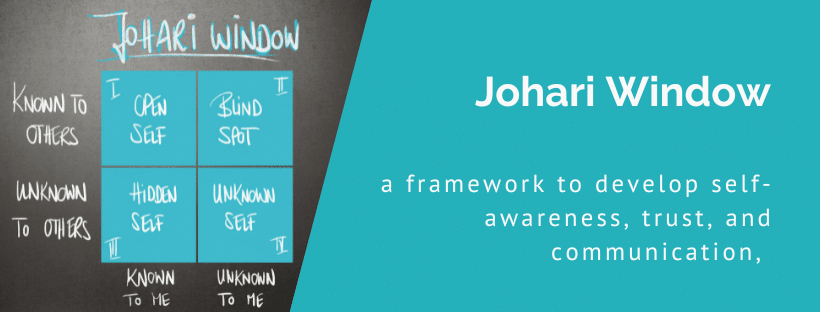
Finally, developing your self-awareness perhaps through using the Johari window, alongside taking time to identify your personal values, priorities, and boundaries can provide clarity and confidence in asserting yourself in various situations.


Finding other strengths to partner with

Strategic®: find a partner with a natural ability to anticipate future trends, identify patterns, and develop long-term plans. Partnering with someone strong in Strategic® can provide you with valuable insights and direction, helping you channel your adaptability towards achieving strategic goals more effectively.

Positivity®: Positivity® brings optimism, enthusiasm, and resilience to challenging situations. Collaborating with individuals strong in Positivity® can uplift your spirits during times of change and uncertainty, fostering a more positive and supportive work environment.

Achiever®: identify a partner who thrives on setting and accomplishing goals. Pairing your Adaptability® with the drive and determination of someone strong in Achiever® can help you stay focused and motivated, ensuring that you translate your Adaptability® into tangible results and accomplishments.

Communication®: Strong communication skills are essential for conveying ideas, building relationships, and navigating change effectively. Partnering with individuals strong in Communication® can enhance your ability to articulate your thoughts, influence others, and foster collaboration amidst uncertainty.

Analytical®: finding a partner who excels at gathering and interpreting data to make informed decisions gives you facts and evidence. Collaborating with someone strong in Analytical® can provide you with valuable insights and evidence-based reasoning to support your adaptable approach, ensuring that your decisions are well-informed and grounded in data.

Learner®: Learners have a thirst for knowledge and continuous growth. Partnering with individuals strong in Learner® can inspire you to embrace change as an opportunity for personal and professional development, encouraging you to adapt and evolve in response to new challenges and opportunities.

Empathy®: Empathy® fosters understanding, compassion, and connection with others. Cultivating empathy can enhance your interpersonal skills, enabling you to navigate change with sensitivity and consideration for the needs and feelings of those around you.

Arranger®: Arrangers excel at orchestrating complex tasks and resources to achieve desired outcomes. Collaborating with individuals strong in Arranger® can help you manage change more effectively by organizing resources, delegating responsibilities, and adapting plans as needed to navigate unforeseen challenges.


And finally

Overall, how others see your Adaptability® strength will likely be influenced by their own perspectives, experiences, and interactions with you. Your deepened awareness of  how Adaptability both helps and hinders you means you are more in control of influencing how others perceive and appreciate your contribution through this valuable strength.

Revisit your CliftonStrengths Top 5 (go to www.gallup.access.com/access and login in) . The new report launched in 2024 helps you think through how your top strengths influence each other. 


DISCLAIMER

Adaptabiity® is a registered mark of Gallup. This link takes you to a series of podcasts on the theme. 

The views, interpretations, and thoughts expressed in this article are solely those of the author.

Read more →

Navigating Strengths: Unveiling Blindspots in CliftonStrengths, exploring Activator

An orange and turquoise swing seats. with text - to help out the Activator Talent

Introduction

In the world of personal development and self-discovery, the CliftonStrengths assessment has become a powerful tool for individuals seeking to understand and leverage their unique talents. Activator, one of the 34 strengths identified by the Gallup organization, is characterized by a keen ability to turn thoughts into action. However, like any strength, Activator® comes with its own set of blindspots that individuals should be aware of to maximize its benefits.

With Activator® at Number 4, I am only too aware of times when it has not served me well. 

Understanding Activator

Before delving into the blindspots, let’s first explore what Activator® brings to the table. Individuals with high Activator® often possess a natural inclination to initiate, propel ideas into motion, and catalyze change. They thrive in environments where quick decisions and immediate action are required. Activators® are the driving force behind many successful projects, as they are adept at pushing through inertia and transforming ideas into reality.


Activator’s Blindspots

blindspots

Blindspot 1: Impulsivity Over Deliberation

While the ability to act swiftly is a valuable trait, Activators® may fall prey to their impulsivity. The eagerness to jump into action without thorough consideration can lead to hasty decisions that may not be well thought out. It’s crucial for individuals with high Activator® to recognize the importance of balance, ensuring that they allow adequate time for careful deliberation, especially in situations where a more measured approach is required.

Blindspot 2: Insensitivity to Others’ Pacing

The sense of urgency and desire for immediate action that comes with Activator® can inadvertently overshadow the pacing preferences of others. Colleagues or team members who value a more deliberate and contemplative approach may feel overwhelmed or dismissed by the Activator’s rapid pace. It’s essential for individuals with Activator® to cultivate an awareness of varying work styles and learn to adapt their pace to accommodate collaborative efforts.

Blindspot 3: Neglecting Long-Term Strategy

Activators® excel in initiating tasks and projects, but their blindspot may lie in neglecting the long-term strategic perspective. The focus on immediate action may lead to a lack of planning for sustained success. To overcome this blindspot, Activators® should consciously set aside time for strategic thinking and consider the broader implications of their actions on future endeavours.

Blindspot 4: Burnout Due to Continuous Action

The perpetual need for action can lead Activators® down a path of constant busyness, potentially resulting in burnout. It’s essential for individuals with high Activator® to recognize the importance of self-care and balance their intense drive with periods of rest and rejuvenation. Incorporating moments of reflection and relaxation into their routines can help prevent burnout and ensure long-term well-being. From a recent workshop discussion, I was sharing a story about my new garden swing seat and how I’ve discovered that the motion of the swing stills my brain. There were 3 other high Activator® people present and they laughed loudly, sharing their same experience!

Blindspot 5: Resistance to Change

Paradoxically, Activators, despite being catalysts for change, may develop a blindspot when it comes to adapting to change themselves. The constant need for action can create resistance to altering their own established routines or processes. To overcome this blindspot, Activators® should actively embrace change and view it as an opportunity for growth rather than a disruption to their preferred pace.

Navigating your blindspots

 
An orange and turquoise swing seats. with text - to help out the Activator Talent

Navigating the blindspots associated with Activator® requires a thoughtful and intentional approach. Here are three key strategies to help you navigate your Activator® blindspots effectively:

1.    Cultivate Mindful Decision-Making:

Pause and Reflect: Recognize the value of taking a moment to pause and reflect before jumping into action. Embrace a conscious decision-making process that involves considering the potential consequences and implications of your actions. This practice allows you to harness the power of Activator® while avoiding impulsive decisions that may lead to unintended outcomes.

Consult Others: Seek input from colleagues, friends, or mentors before making significant decisions. This collaborative approach not only provides diverse perspectives but also ensures that you take into account the preferences and concerns of others. By involving others in the decision-making process, you mitigate the risk of overlooking crucial details and enhance the overall quality of your choices.

2.    Embrace Strategic Planning:

Allocate Time for Strategy: Intentionally set aside dedicated time for strategic thinking and planning. Create a balance between your natural inclination for immediate action and the long-term vision of your goals. Establish a routine that includes regular moments for evaluating the broader implications of your actions, identifying potential challenges, and crafting strategic plans to navigate them effectively.

Prioritize and Sequence Tasks: Recognize that not every task requires immediate attention. Develop the ability to prioritize tasks based on their significance and urgency. By sequencing your actions strategically, you ensure that your energy is directed towards tasks that align with your long-term objectives, reducing the likelihood of burnout and enhancing overall productivity.

3.    Build Adaptive Communication Skills:

Understand Others’ Pacing: Develop a heightened awareness of the varied work styles and pacing preferences of your team members or collaborators. Tailor your communication and approach to accommodate different perspectives. This adaptability fosters a more inclusive and harmonious working environment, preventing potential tension caused by an overly assertive or rapid approach.

Communicate Change Effectively: Actively work on embracing change and communicate your enthusiasm for it. Clearly articulate the benefits of the proposed changes and address concerns that others may have. This proactive communication style helps build trust and collaboration, mitigating resistance to change and ensuring a smoother transition for everyone involved.

By incorporating these strategies into your daily routine and mindset, you can navigate the blindspots associated with Activator® more effectively. Cultivating mindfulness, embracing strategic planning, and developing adaptive communication skills will not only enhance the positive impact of your Activator® strength but also contribute to your overall success and well-being.

Conclusion

Activator® is a powerful strength that propels individuals into action and drives results. However, like all strengths, it comes with its own set of blindspots that individuals must navigate to harness its full potential. By cultivating self-awareness, embracing balance, and recognizing the impact of their actions on both themselves and others, individuals with high Activator® can transform their blindspots into opportunities for continued growth and success in their personal and professional lives.

And finally, revisit your CliftonStrengths Top 5 (go to www.gallup.access.com/access and login in) . The new report launched in 2024 helps you think through how your top strengths influence each other. 


DISCLAIMER

Activator® is a registered mark of Gallup. This link takes you to a series of podcasts on the theme. 

The views, interpretations, and thoughts expressed in this article are solely those of the author.

Read more →

Exploring the blindspots of CliftonStrength Achiever

Man in white tee-shirt in front of a laptop with his head in his hands.

The Dynamics of Achiever® 

Introduction 

Achiever® stands tall among the executing themes as a force of determination and accomplishment. It is the powerhouse of getting things DONE.  As we know each and every Talent theme has its BLINDSPOTS, and Achiever® is no different. As your mastery of  your CliftonStrengths grows, your understanding of the dynamics of your Achiever® and how partnering with other strengths can mitigate these potential blindspots can lead you to the Jedi or bright side. In this blog, we delve into Achiever®, examining some of its dynamics, identifying blindspots, and providing (some) strategic suggestions for complementary partnerships.


Understanding the Achiever® Dynamics 

Achiever® is characterized by an unyielding drive to set and meet goals. To get things done. Individuals high in Achiever® thrive on the satisfaction of completing tasks and constantly seek new, often ever tougher, challenges. This, though a valuable asset, can lead to blindspots when taken to extremes and left unchecked. 

How can Achiever® lead you astray and head over to the Dark Side? 


Relentless Pursuit without Reflection

  • Example: An individual with high Achiever® might find themselves continuously pursuing goals without taking a moment to reflect on their accomplishments. The constant push for achievement can lead to a lack of appreciation for what has been done. 
  • Suggestion: Pair with individuals strong in “Reflective” strengths like Intellection® or Deliberative® to introduce a balance between action and thoughtful introspection. 
  • Suggestion: Take time to step back and celebrate progress, if not for your sake, then for others’. 

Risk of Burnout 

  • Example: Achiever® individuals may be prone to burnout, driven by their unrelenting commitment to productivity. The absence of breaks and self-care can jeopardize long-term well-being. 
  • Suggestion: Collaborate with strengths such as “Harmony” or “Restorative” to emphasize the importance of balance, stress management, and overall well-being. And schedule in an activity or challenge to help you decompress. 

Potential Tunnel Vision 

  • Example: The intense focus on goals may result in tunnel vision, causing people driven by Achiever® to overlook alternative approaches or creative solutions. 
  • Suggestion: Engage with individuals strong in Strategic®, Ideation®, Connectedness® or Futuristic® strengths to broaden your perspectives, encouraging innovative thinking and long-term planning beyond immediate achievements. 

Comparison and Perfectionism 

  • Example: Achievers may be prone to perfectionism, comparing themselves to others and setting unrealistically high standards. 
  • Suggestion: Partner with individuals possessing strengths like Positivity®, Adaptability ®or Individualization® to foster a positive self-image, celebrate uniqueness, and provide support in overcoming the pitfalls of perfectionism. 

Difficulty Delegating 

  • Example: Your high Achiever® might mean you struggle to delegate tasks, feeling compelled to handle everything yourself, so you know it will get done, to the high standard you expect. 
  • Suggestion: Collaborate with people who have strengths such as Command® or Woo® (the orange, influencing ones) to help engage and empower people to take ownership of tasks. Or look to the blue, Relationship Themes, to foster teamwork – importantly working to prevent your own burnout! 


Building Synergy with Other CliftonStrengths 

To maximize the benefits of Achiever® and prevent burnout, a partnership with a complementary strength can help, you may indeed possess both of these in your top 5 or 10 CliftonStrengths profil!e: 

Achiever® + Strategic® 

Leverage the thinking power of others with the Strategic® strength to enhance your planning and ensure that goals align with a broader vision. 

Achiever® + Positivity® 

  • Combining Achiever® with the energy of people strong in the Positivity® strength makes it easier to celebrate achievements, maintain enthusiasm, and counterbalance the pressure of constant goal-setting. 

Achiever® + Harmony® 

  • Partnering with those strong in Harmony® helps promote work-life balance, prevent burnout, and emphasizes the importance of well-being alongside achieving goals. 

Achiever® + Relator® 

  • Collaborate with those possessing the Relator® strength to build meaningful connections and relationships, ensuring that the pursuit of goals does not overshadow the importance of human connections. 

Achiever® + Intellection® 

  • By combining Achiever® with Intellection® you enhance your problem-solving capabilities through thoughtful analysis. Be careful though, that if it’s your Intellection® that its lack of focus on doing things doesn’t cause internal conflict and frustrate your Achiever®! 

Achiever can also work with any of the other CliftonStrengths. And others would love to work with you, make sure to appreciate their effort in keeping up with you though. !  


Conclusion 

Understanding the dynamics and blindspots of Achiever® is pivotal for a balanced and sustainable approach to success, for yourself, your peers, and your loved ones (simply so your drive doesn’t exhaust them!). Keeping your Achiever® balanced and ‘under control’ can help prevent burnout. Look at is as staying on the Jedi – (not the dark side) – side.  

Above all, knowing that all of your CliftonStrengths have a dynamic interplay, and being aware of their blindspots, gives you a greater chance of success, and life-balance.  Strategically partnering your Achiever® through fostering collaboration and a strengths-based mindset, you can navigate challenges, celebrate successes, and build a strong foundation for personal and professional growth. 


DISCLAIMER  

The CliftonStrengths talent themes are registered marks of the Gallup Corporation. The interpretations within this article are solely the opinions and interpretations of the author Dr Jan Peters. 

Read more →